
full length mirror with led
Understanding Internal Bore Gauges A Key Tool in Precision Measurement In the world of manufacturing and engineering, precision is paramount. Components must meet exact specifications to ensure proper fit and function, especially in industries such as automotive, aerospace, and machinery. One of the essential tools in achieving this accuracy is the internal bore gauge. This specialized instrument plays a critical role in measuring the internal diameters of cylindrical objects, such as boreholes and pipes, where traditional measurement methods may fall short. What is an Internal Bore Gauge? An internal bore gauge is designed specifically for measuring the inside dimensions of holes, tubes, and other cylindrical objects. Unlike external calipers that measure the outside diameter, bore gauges focus on internal features, providing precision measurements crucial for quality control and assessment. These gauges come in various forms, with some utilizing mechanical means and others relying on electronic technology to provide readouts. Types of Internal Bore Gauges There are primarily two types of internal bore gauges – mechanical and electronic . 1. Mechanical Bore Gauges These gauges often consist of a set of extending arms or probes that fit inside the bore. The user inserts the tool into the bore, expands the arms to contact the internal surface, and then removes it for measurement against a calibrated reference or measuring scale. Mechanical gauges are durable, straightforward, and usually do not require batteries or complex calibration. 2. Electronic Bore Gauges These modern devices use electronic sensors to measure dimensions automatically. They often come equipped with digital displays that provide instantaneous readings, making them faster and easier to use than their mechanical counterparts. Additionally, many electronic bore gauges can interface with computer systems for data collection and analysis, enhancing workflow efficiency in manufacturing environments. How to Use an Internal Bore Gauge Using an internal bore gauge involves several straightforward steps internal bore gauge 1. Preparation Ensure the gauge is clean and well-calibrated. Understand the specifications of the bore you intend to measure. 2. Insertion Carefully insert the gauge into the bore, avoiding any force that could potentially damage the measuring instrument or alter the bore’s dimensions. 3. Adjustment Expanding the arms (in mechanical gauges) or aligning the probes (in electronic gauges) to contact the internal walls of the bore is key. Ensure a snug fit without excessive pressure. 4. Reading the Measurement Once the gauge is positioned correctly, remove it from the bore and read the measurement from either the scale or digital display. 5. Verification For accuracy, it’s often recommended to take multiple measurements at different depths or positions to account for any imperfections in the bore. Importance of Internal Bore Gauges The importance of internal bore gauges cannot be overstated. They ensure that the internal diameters of a product are consistent with design specifications, which is critical for components that fit together in assemblies. An incorrect diameter can lead to mechanical failure, safety hazards, and increased costs due to reworking or replacing defective parts. Moreover, regular use of bore gauges can significantly reduce waste in manufacturing, as they help identify potential issues before the production process moves too far along. This proactive approach not only saves time but also enhances the overall quality of the products being produced. Conclusion In summary, internal bore gauges are indispensable tools in the field of precision measurement. Whether in mechanical or electronic form, these gauges provide essential insights into the internal dimensions of cylindrical objects, guiding manufacturers to achieve the precision needed for quality assurance. As industries continue to demand higher accuracy, the relevance and application of internal bore gauges will only continue to grow, making them vital components in the toolbox of engineers and quality control professionals alike.
about
full length mirror with led
Understanding the Dial Bore Gauge A Key Tool in Precision Measurement In the world of precision engineering and manufacturing, accuracy is paramount. Among the various tools employed to achieve precise measurements, the dial bore gauge stands out as a critical instrument for ensuring the proper dimensions of cylindrical parts. This article delves into the structure, functionality, and applications of the dial bore gauge, underscoring its significance in modern engineering practices. What is a Dial Bore Gauge? A dial bore gauge is a measuring instrument used to assess the internal diameters of cylindrical workpieces, such as pipes, engine cylinders, and other round components. Unlike standard calipers or micrometers that measure external dimensions, the dial bore gauge is specifically designed to measure the inside diameter (ID) of a hole or bore. This capability is essential in various industries, including automotive, aerospace, and manufacturing, where precise internal dimensions are crucial for performance and safety. Structure of a Dial Bore Gauge The dial bore gauge typically consists of several components 1. Handle The handle provides grip and stability to the user while measuring. 2. Measuring Rod This rod extends into the bore and has an adjustable tip that makes contact with the internal walls of the workpiece. 3. Dial Indicator This is the pivotal element that displays the measurement. The dial gauge is calibrated in a manner that translates the actual movement of the measuring rod into a readable format, often in thousandths of an inch or millimeters. 4. Contact Points These are the tips that touch the inner surface of the bore. Some gauges come equipped with interchangeable tips to accommodate different diameters and surface finishes. 5. Adjustable Base This allows for fine-tuning and ensures that the gauge is set to the required dimensions before taking measurements. How Does a Dial Bore Gauge Work? alat ukur dial bore gauge To use a dial bore gauge, the operator first selects the appropriate measuring tip and attaches it to the measuring rod. The gauge is then inserted into the bore, and the tip is expanded until it makes contact with the bore walls. As the tip touches the circular surface, the dial indicator will show the measurement on the dial face. The operator may need to rotate the gauge slightly to ensure contact with various points along the bore, particularly if the shape is not perfectly round or if there are irregularities. The sensitivity of the dial indicator allows for the detection of even minute variations in diameter, making it an indispensable tool for quality control and precision engineering. Many dial bore gauges feature a needle that moves smoothly within a range, reducing the possibility of human error and improving accuracy. Applications of Dial Bore Gauges The versatility of the dial bore gauge allows it to be employed in various applications 1. Quality Control In manufacturing environments, maintaining tight tolerances is essential for product functionality. Dial bore gauges are used to inspect internal dimensions of parts before they are assembled. 2. Engine Building In the automotive industry, precision measurements of engine cylinders are crucial. Dial bore gauges help ensure that cylinders are within specified limits, directly affecting engine performance. 3. Maintenance and Repair Technicians often use dial bore gauges to assess wear in cylindrical components such as pistons and bearings, allowing for informed decisions regarding repair or replacement. Conclusion The dial bore gauge is a fundamental tool in the arsenal of precision measurement devices. Its capability to accurately measure the internal diameter of bores makes it invaluable across multiple industries, where precision and quality are non-negotiable. With advancements in technology and materials, modern dial bore gauges continue to evolve, offering improved accuracy and ease of use. For anyone involved in manufacturing or engineering, mastering the use of a dial bore gauge is not just beneficial; it is essential for ensuring high-quality, reliable products. Understanding this tool enhances both the measurement process and the overall standards of precision engineering in today’s competitive environment.
-

High quality industrial productsagement

High quality industrial products
View Details -

Meet the diverse needs of customers

Meet the diverse needs of customers
View Details -

Strict quality control

Strict quality control
View Details -

Top raw materials

Top raw materials
View Details -

Trusted supplier

Trusted supplier
View Details
Our application


news and information
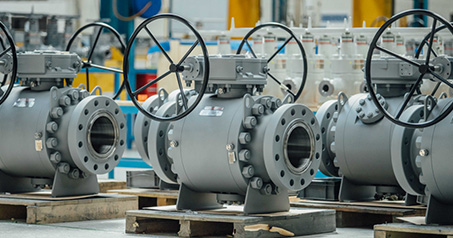
Various Types and Functions of Water Control Valves Explained
Understanding Types of Water Control Valves Water control valves are critical components in plumbing

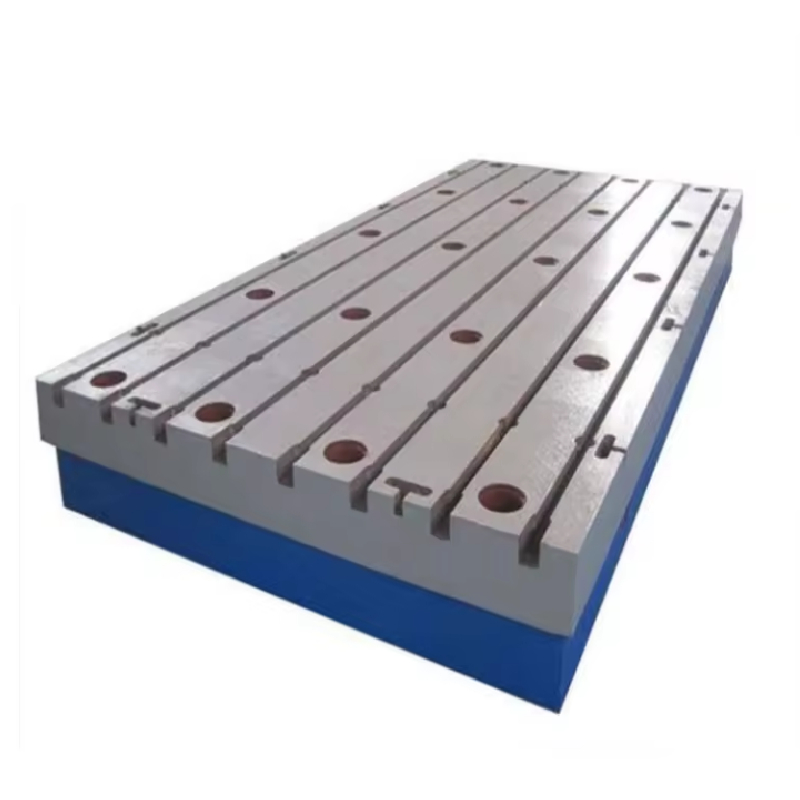
Versatile 3x6 Welding Table for Efficient Metalwork and Fabrication Projects
The Essential Guide to 3x6 Welding Tables Boosting Your Fabrication Skills Welding is an art and a s
Y Type Strainer Function
In the world of fluid mechanics and piping systems, maintaining the efficiency and longevity of equi
 English